
Rapid, Physician-Supervised Ketamine Therapy in Colorado
- Relief often within 24–48 hours — not weeks
- Board-certified physician supervision throughout
- Sub-anesthetic, medically monitored ketamine treatments

A Different Way to Treat Depression
Ketamine works differently from traditional antidepressants — which is why it can help when other treatments haven't.
- Targets glutamate, not serotonin. Ketamine acts on the brain's glutamate system, reaching areas that depression and trauma shut down.
- Boosts neuroplasticity. It helps restore disrupted neural connections — the brain's ability to adapt and rewire.
- Works rapidly. Where antidepressants take weeks, relief frequently arrives within 24–48 hours.
Find Help for What You're Facing
Ketamine therapy is used within a structured, supervised program for the conditions that haven't responded to conventional treatment.
Treatment-Resistant Depression
When two or more antidepressants haven't worked, ketamine can open a new pathway to relief.
Anxiety Disorders
For generalized, social, and panic-related anxiety that hasn't eased with standard care.
PTSD & Complex Trauma
A supervised, structured path for trauma-related conditions and complex PTSD.
OCD
When SSRIs and behavioral therapy haven't been enough on their own.
Suicidal Ideation
One of ketamine's most clinically significant uses — rapid relief when it matters most.

Trauma Lives in the Body. You Don't Have to Carry It Alone.
Trauma can keep your nervous system locked in survival mode long after the danger has passed — leaving you exhausted, on edge, or numb to the life you want to live.
When talk therapy and medication haven't been enough, physician-supervised ketamine can help quiet that hypervigilance and create space for the brain to process what it couldn't before — gently, and at your own pace.
Talk to Someone Who Understands
Calm, Supervised, and Personal
Standard course is 2 treatments per week for 8 weeks. Each treatment takes 40–60 minutes in a calm room, with continuous monitoring from start to finish.
- 40–60 minute sessions. Sub-anesthetic, carefully dosed.
- Continuously monitored. You are never alone.
- Clear-headed quickly. Most feel themselves within an hour.
Your Path to Relief
Clinical Evaluation
A comprehensive review of your history, medications, and health to confirm you're a candidate.
Preparation
Simple pre-treatment guidance so you arrive ready and safe.
Supervised Treatment
A 40–60 minute ketamine treatment in a calm room, continuously monitored.
Observation & Recovery
A short recovery period — most feel clear-headed within an hour.
When Nothing Else Has Worked, Healing Is Still Possible
Our patients come to us when other options have fallen short. With physician-supervised care in a calm mountain setting, lasting change is within reach.
Talk to Someone Today
Care That Changes Lives
Ketamine therapy delivered the right way — supervised, structured, and personal.
Physician-Led Care
Every plan is built and supervised by board-certified medical staff.
Evidence-Based Protocols
Sub-anesthetic dosing backed by a substantial clinical evidence base.
Calm Mountain Setting
A private Colorado environment designed for focus and recovery.
Confidential Consultation
Talk privately with an admissions specialist, with no obligation to start treatment.
What Our Patients Say
I’ve been to a lot of different treatment centers, sober livings, therapists, etc over the years and now work in the industry myself. I attended the CMHS IOP after struggling with a depressive episode and was super impressed by the professionalism, organization, and kindness of every staff member I interacted with. Molly Barth is super educated and compassionate. The groups felt very intentional and well-planned. Definitely recommend!
Red Rock Recovery Center was a beacon of hope during one of the darkest times in my life. From the moment I arrived, the staff treated me with compassion, respect, and unwavering support. They truly understood what I was going through and provided not just a place to heal, but the tools and guidance I needed to rebuild my life. Now, a year later, I’m beyond grateful for the life I have today.
The staff is compassionate, knowledgeable and genuinely committed to helping each person find lasting recovery. From day one you will feel the support and abundance of positivity.
They changed my life. From day one, I realized I was in a place where I was genuinely being cared for, by both the staff and the other people in my group. You’re never left alone. You’re provided with every resource imaginable and are supported for the rest of your life. I’m beyond thankful.
I received amazing care all the way from inpatient to outpatient treatment. All of the staff and nurses were so kind and understanding and willing to help with anything that I needed. The therapists were very knowledgeable and provided great insight. RRRC really helped me to regain control over my life and find a new path and direction.
I've struggled a few times through the last couple years. Red Rock has been consistent and caring with my recovery. I 100% recommend anyone struggling for the care and focus they provide. Plus the after-program care is top notch.
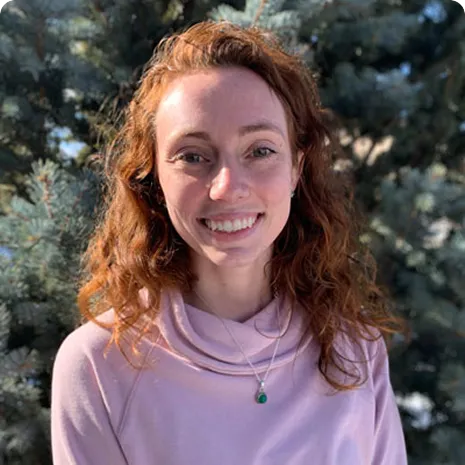
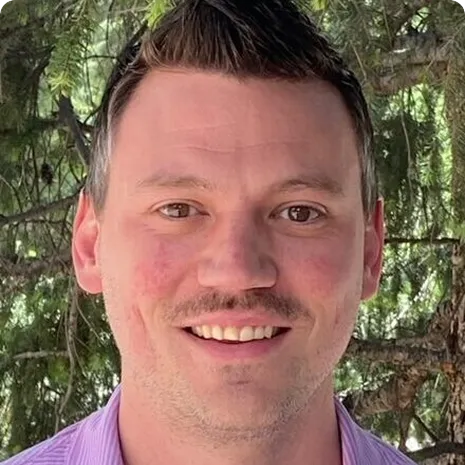
Physician-Led, Every Step
Real people, deeply committed to your recovery — from your first call to your last session.

Frequently Asked Questions
How quickly does ketamine therapy work?
Many patients notice meaningful symptom relief within 24 to 48 hours of their first treatment — sometimes sooner.
How many treatments will I need?
A standard course is 2 treatments per week for 8 weeks. Some patients reach lasting remission; others benefit from periodic maintenance treatments.
What does a session feel like?
Common descriptions include a floating or weightless sensation and an emotional distance from habitual thoughts. Experiences vary, and you are monitored and supported throughout — you are never alone.
Is ketamine FDA-approved for depression?
IM ketamine for psychiatric use is prescribed off-label — it is not FDA-approved specifically for depression or PTSD, though it is FDA-approved as an anesthetic. Off-label prescribing is standard, legal medical practice when supported by clinical evidence.
How is this different from recreational use?
Clinical care uses sub-anesthetic doses (roughly one-fifth of an anesthetic dose) in a medically supervised environment with continuous monitoring. The setting, dosing, and oversight are fundamentally different.
Who is not a candidate?
Contraindications include a personal or family history of psychosis or schizophrenia, uncontrolled hypertension, active substance use disorder, certain cardiovascular conditions, and pregnancy. A thorough clinical assessment exists to identify these — your safety is the first priority.
Take the First Step Toward Relief
Reach out today and talk with a real admissions specialist — confidential, and at your own pace.